Source Solar Powered Prefab Aluminum Cabin for Hotels, Apartments, and Villas
Explore 30 options for the solar powered prefab aluminum cabin, featuring galvanized steel frames, sandwich panel construction, and customizable layouts. Compare specifications for earthquake resistance, thermal insulation, and fast installation to find the ideal modular living solution for your project needs.
Key considerations
Products List


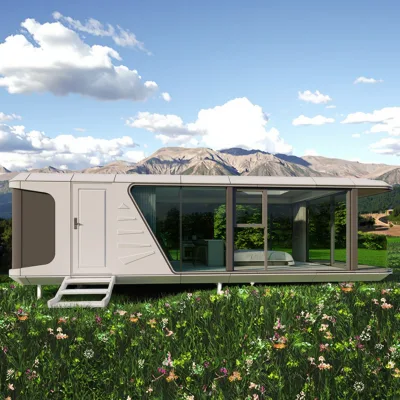
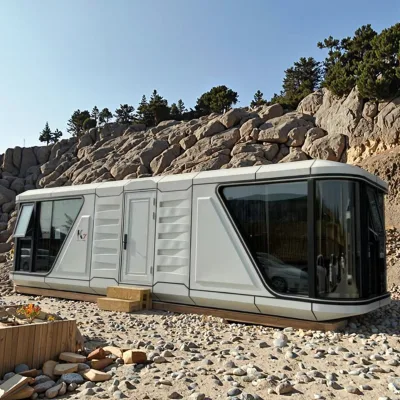


Comprehensive Sourcing Guide
Solar Powered Prefab Aluminum Cabin Sourcing Guide
Procuring solar-powered prefab aluminum cabins requires a nuanced understanding of modular construction, energy integration, and material durability. Buyers must distinguish between standard container modifications and purpose-built aluminum structures, as the latter offers superior corrosion resistance and weight efficiency. The core challenge lies in verifying that the "solar" component is not merely an add-on but an integrated system capable of supporting the cabin’s operational load. This guide provides a structured approach to evaluating suppliers, ensuring that technical specifications align with intended use cases, whether for remote living, hospitality, or temporary office spaces.
Successful sourcing begins with defining the operational environment and power requirements. Aluminum cabins are often marketed for their lightweight nature and rapid deployment, but the integration of photovoltaic panels adds complexity to the structural design and electrical safety. Buyers should prioritize suppliers who demonstrate expertise in both modular architecture and renewable energy systems. This dual competency ensures that the cabin’s insulation, window placement, and roof pitch are optimized for solar efficiency while maintaining structural integrity against wind and seismic forces.
Product Scope and Observed Listing Signals
The market for prefab cabins includes a wide range of configurations, from basic steel containers to advanced aluminum structures with modern design aesthetics. Observed listings frequently highlight features such as wind resistance, earthquake resistance, and thermal insulation, which are critical for safety and comfort in diverse climates. Buyers should note that while many products claim "fast installation," the actual time required depends on site preparation and the complexity of the electrical and plumbing connections. The presence of glass windows and steel or aluminum doors is common, but the quality of these components varies significantly between suppliers.
Energy efficiency is a key differentiator in this category, with many products emphasizing eco-friendliness and low maintenance. Insulation methods such as rock wool or MGO boards are often cited to ensure thermal performance, which is essential for reducing the load on the solar power system. Buyers must verify that the claimed insulation values are consistent with the local climate conditions. Additionally, the modular nature of these cabins allows for flexible combination and easy movement, making them suitable for temporary or semi-permanent installations where traditional construction is impractical or too costly.
Technical Specifications to Verify
When evaluating technical specifications, buyers must scrutinize the structural frame material and thickness. While some listings mention galvanized steel structures, aluminum cabins should ideally feature a high-grade aluminum alloy frame to maximize weight savings and corrosion resistance. The thickness of the aluminum panels and the quality of the welding or joining techniques are critical for durability. Buyers should request detailed engineering drawings to verify the load-bearing capacity of the roof and walls, especially if the cabin is designed to support heavy solar panel arrays or additional rooftop equipment.
Electrical integration is another vital area for verification. The solar power system must be compatible with the cabin’s internal wiring and load distribution. Buyers should confirm the type of solar panels, inverter capacity, and battery storage solutions included in the package. It is also important to check the quality of the windows and doors, ensuring they are double-glazed and properly sealed to maintain thermal efficiency. The flooring material, often PVC or similar synthetic options, should be durable and easy to clean, contributing to the overall longevity of the interior space.
Compliance and Safety Documentation
Compliance with local building codes and electrical standards is non-negotiable for prefab cabins, especially those with integrated solar systems. Buyers must ensure that the supplier provides documentation proving adherence to relevant safety standards, such as CE, UL, or local equivalents. This includes certifications for the electrical wiring, solar components, and structural integrity of the cabin. Without proper documentation, buyers risk facing legal issues, insurance complications, or safety hazards in the event of a fire or structural failure.
Fire safety is particularly important in modular structures, where materials must meet strict flammability ratings. Buyers should verify that the insulation materials, such as rock wool or MGO boards, are non-combustible or have low flame spread ratings. Additionally, the electrical system should include proper grounding, surge protection, and circuit breakers to prevent electrical fires. Suppliers should provide clear instructions for maintenance and emergency shutdown procedures, ensuring that users can safely manage the solar power system and address any potential issues promptly.
Cost Drivers and Commercial Terms
The cost of a solar-powered prefab aluminum cabin is influenced by several factors, including the size, material quality, and the complexity of the solar integration. Larger cabins with higher insulation values and more advanced electrical systems will naturally command higher prices. Buyers should also consider the cost of shipping and installation, as these can significantly impact the total expenditure. Flat pack shipping is common, but the efficiency of the packaging and the ease of assembly can affect labor costs on-site.
Commercial terms such as payment schedules, warranty coverage, and after-sales support are critical components of the procurement process. Buyers should negotiate clear terms regarding the delivery timeline and the responsibilities of both parties in case of delays or damages. Warranty coverage should extend to both the structural components and the solar power system, with clear definitions of what is covered and for how long. After-sales support, including online technical assistance, is essential for troubleshooting issues that may arise during or after installation.
Supplier Qualification and Quality Control
Supplier qualification is a crucial step in ensuring the quality and reliability of the purchased cabin. Buyers should assess the supplier’s manufacturing capabilities, quality control processes, and track record in delivering similar projects. Visiting the factory or requesting virtual tours can provide valuable insights into the production standards and attention to detail. Suppliers with a strong reputation for customization and adaptability are often better equipped to meet specific buyer requirements, such as unique solar configurations or interior layouts.
Quality control measures should include rigorous testing of structural components, electrical systems, and weatherproofing. Buyers should request test reports or certification documents that verify the performance of these components under various conditions. Additionally, suppliers should provide detailed assembly instructions and training materials to ensure that the cabin is installed correctly. Establishing a clear communication channel with the supplier for ongoing support and issue resolution is also important for a successful procurement experience.
Long-Term Procurement Checks
Long-term procurement success depends on the durability and maintainability of the solar-powered prefab cabin. Buyers should consider the expected lifespan of the materials and components, with aluminum structures typically offering a longer service life than steel alternatives. Regular maintenance of the solar panels, including cleaning and inspection, is essential to maintain energy efficiency and prevent degradation. Buyers should also plan for potential upgrades or modifications, ensuring that the cabin’s design allows for easy expansion or adaptation to changing needs.
Environmental impact and sustainability are increasingly important factors in procurement decisions. Buyers should evaluate the supplier’s commitment to eco-friendly practices, such as the use of recyclable materials and energy-efficient manufacturing processes. Additionally, the end-of-life disposal or recycling options for the cabin components should be considered. By prioritizing sustainability and long-term value, buyers can ensure that their investment in a solar-powered prefab aluminum cabin aligns with their broader corporate social responsibility goals and operational objectives.
FAQs
Can these cabins be customized for specific layouts?
Yes, customization is available for these structures. The layout is fully customizable to meet specific needs. You can adjust the interior configuration to suit various purposes. This flexibility allows for tailored solutions. The design style is modern and adaptable. This ensures the cabin fits your unique requirements effectively.
What is the expected lifespan of this cabin?
The expected lifespan ranges from 20 to 40 years. This durability is supported by the galvanized steel structure. The sandwich panel construction also contributes to longevity. Regular maintenance can help achieve the upper end of this range. The materials are chosen for long-term performance and stability.
How fast can these cabins be installed?
Fast installation is a key feature of these cabins. They are designed for quick assembly on-site. The flat pack shipping option facilitates efficient transport. This reduces on-site labor time significantly. The modular nature allows for rapid deployment. This makes them ideal for urgent housing needs.
What insulation materials are used in these cabins?
These cabins use rock wool or MGO board insulation. The roof and wall panels are steel sandwich panels. This combination provides effective thermal insulation. The insulation method ensures energy efficiency. It also contributes to the overall safety and comfort. The materials are selected for their performance properties.
Are these cabins earthquake resistant?
Yes, these cabins are designed to be earthquake resistant. They can withstand Grade 8 earthquake resistance. The galvanized steel frame provides structural integrity. This makes them suitable for seismic zones. The design prioritizes safety and stability. This feature is crucial for residential and commercial use.
What is the standard size of these cabins?
Standard sizes include 5800*2000*2200 mm dimensions. Other models are available in 20 or 40 FT lengths. The shape is typically rectangular. Custom sizes can also be arranged. The standard dimensions facilitate easy transportation. This ensures compatibility with standard shipping containers.